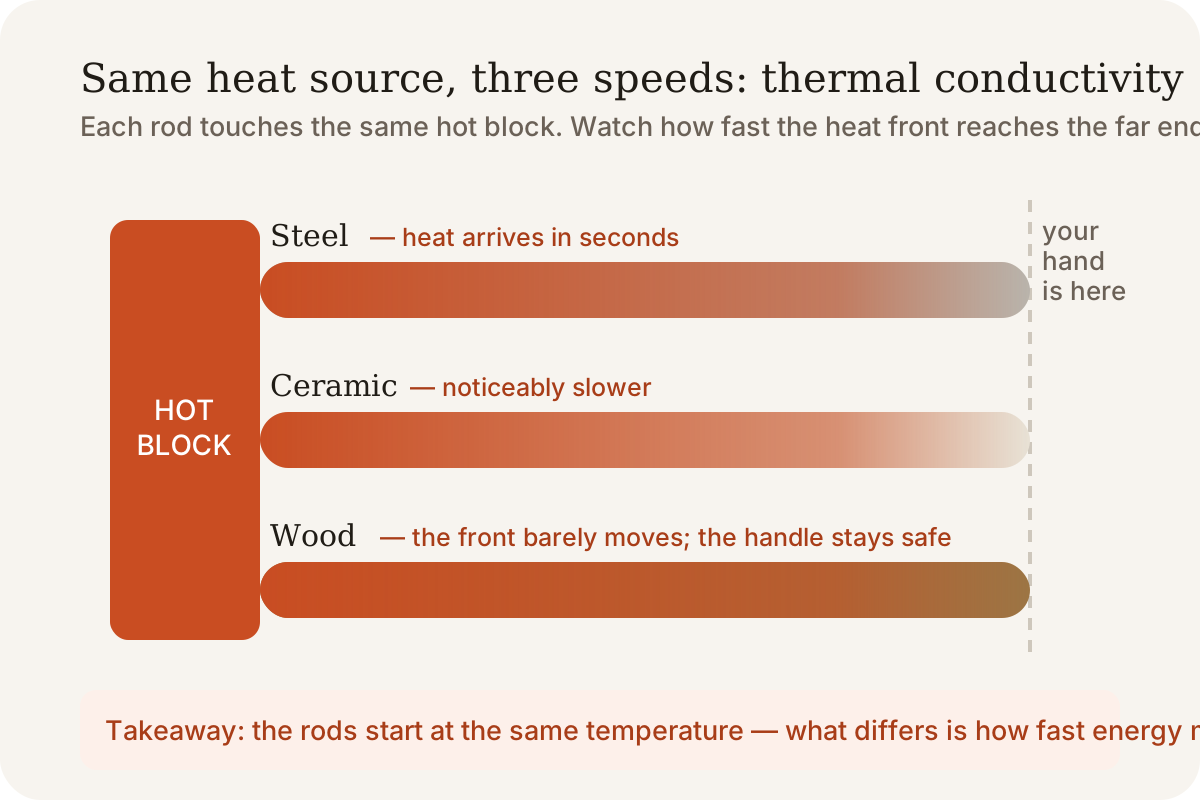
The animated comparison is intentionally schematic. It shows fast transfer through metal, more constrained behavior in ceramics, and softer, more deformable responses in polymers.
Deep Lesson
Metal pans, wooden spoons, silicone grips, plastic housings, ceramic surfaces, and glass containers are not random. They reveal how structure, conductivity, durability, and safety shape engineering decisions.
Animated explainer
The animated comparison is intentionally schematic. It shows fast transfer through metal, more constrained behavior in ceramics, and softer, more deformable responses in polymers.
The dial
One control sweeps across the whole material shelf. Turn the conductivity up and the heat front crawls further along the rod toward the handle; turn it down and the far end stays cool. This is the single number that decides whether something becomes a pan body or a handle.
Touch lab
Every slab is the same room temperature (20 °C), yet they don't feel the same. Tap a material to press your fingertip against it and watch heat drain out of your skin — fast for metal, barely at all for wood — on a live temperature graph.
Beyond heat
Three words, three tests
A material is stiff if it barely stretches under load (glass, steel), strong if it takes a large load before failing, and tough if it absorbs energy without shattering (polymers, wood). A drinking glass is stiff and fairly strong but not tough — one impact and the crack runs; a silicone spatula is the opposite. Kitchen designers pick along all three axes at once, which is why a knife blade (hard, stiff) meets a handle (tough, grippy) in a single tool.
Where the difference lives
Stiffness comes from bond strength — how hard it is to stretch the atomic "springs". Toughness comes from structure — whether a crack's energy can be soaked up by fibres, chains, or grain boundaries on its way through. That is why wood, a web of cellulose fibres, survives drops that shatter ceramic, whose orderly lattice gives a crack a clean highway.
When materials fight
Nearly everything swells as it warms — only by parts in a thousand, but with enormous force when constrained. Pour boiling water into a thick, cold glass and the inner surface expands while the outer is still cold: the mismatch tears the glass apart. Borosilicate ("oven-proof") glass survives because its expansion coefficient is three times smaller, so the same temperature difference builds only a third of the stress.
Engineers also harness the fight. The kettle's automatic switch is a bimetallic strip — two metals with different expansion rates bonded face to face. Heat it and one side stretches more than the other, so the strip must curl; the curl trips the switch. The same strip ran decades of toaster timers, thermostats, and oven lights: a thermometer with the muscle to throw a switch.
Design principle
Metals
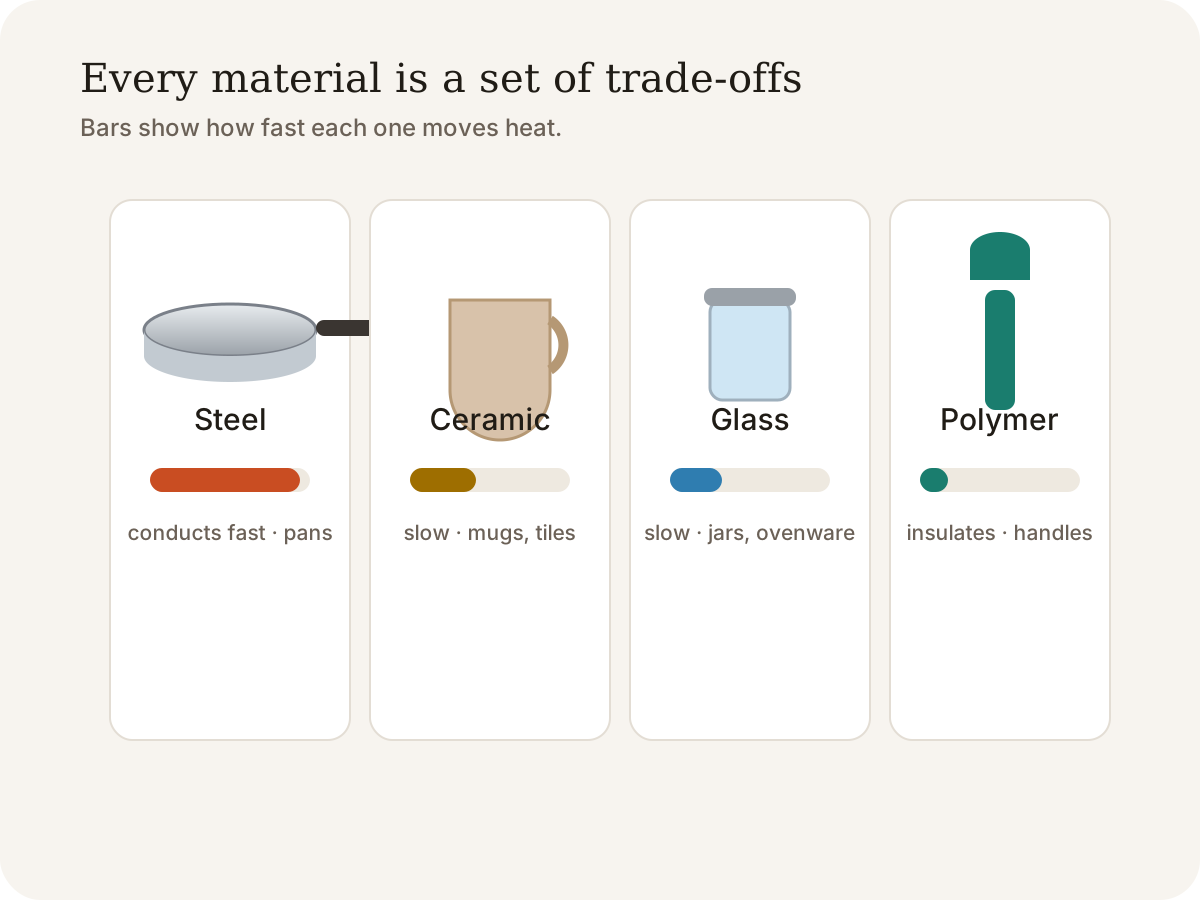
Excellent for cookware and structure because many metals conduct heat well and can withstand repeated thermal cycling.
Polymers
Useful for grips, housings, and storage because they can be light, tough, chemically resistant, and slower to transfer heat.
Ceramics and glass
Valuable when transparency, stiffness, corrosion resistance, or high-temperature stability matter more than impact toughness.
Examples
Coffee machine housing
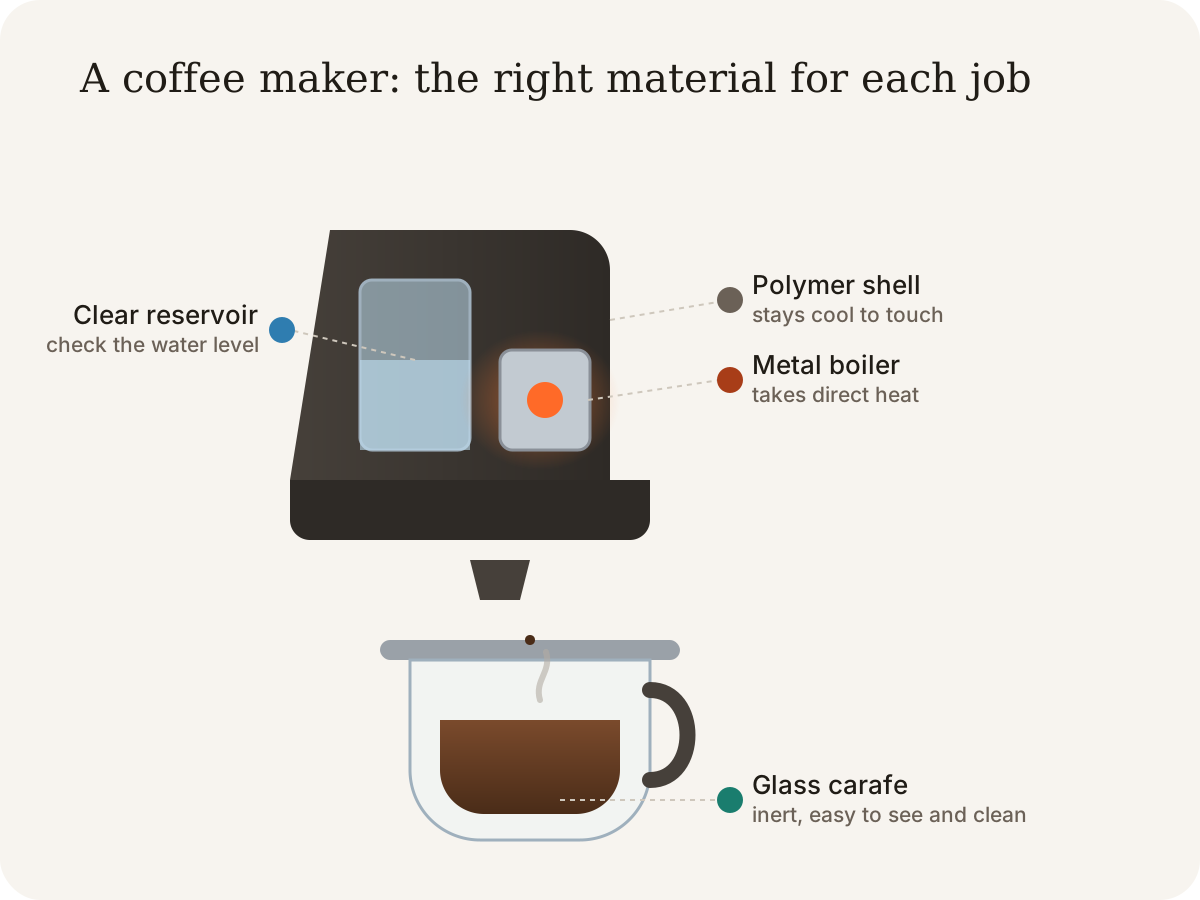
Polymer shells help manage weight, shape complexity, insulation, and touch comfort while still holding mechanical components.
Induction cooktop
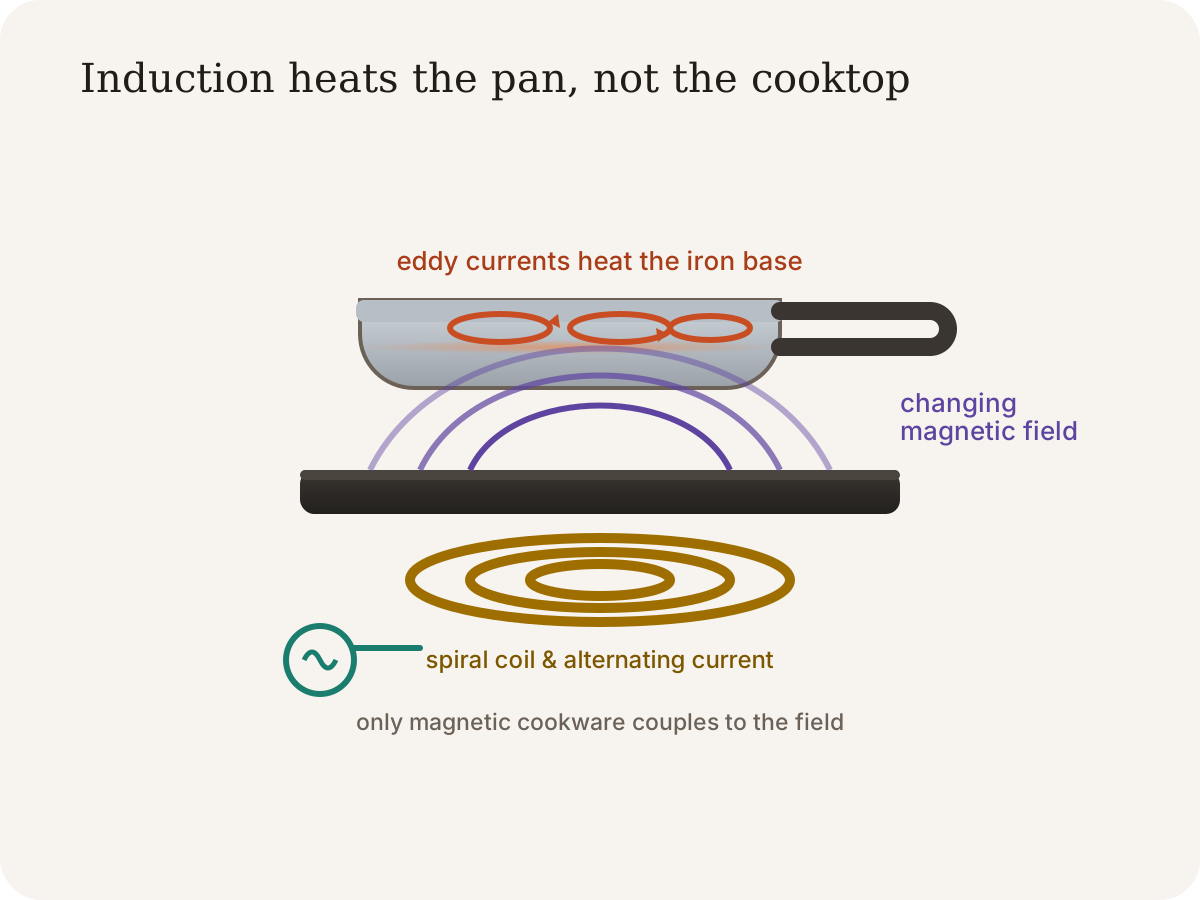
Specialized glass-ceramic surfaces combine durability, heat tolerance, and the right interface for hidden electromagnetic heating.
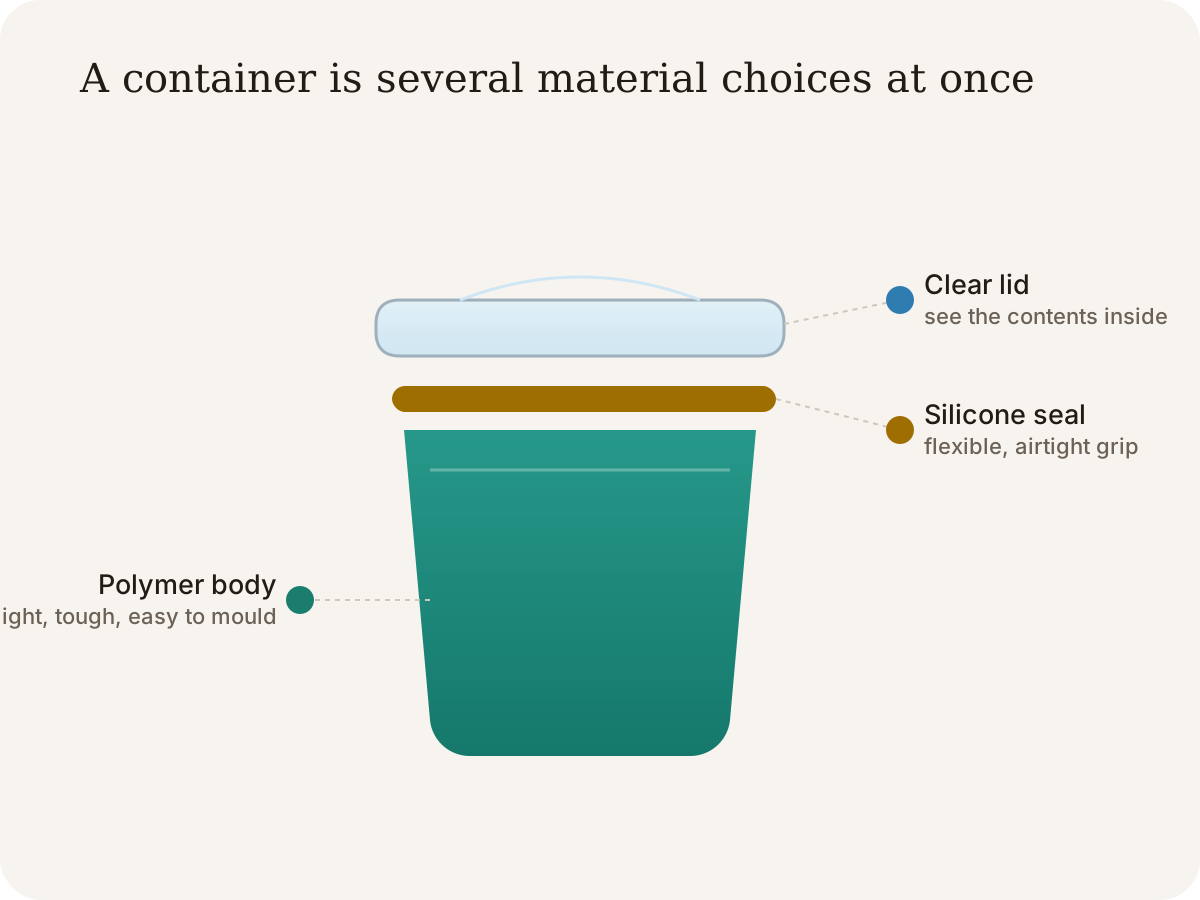
Storage containers
Food-safe polymers can be lightweight, transparent or opaque, tough, and easier to mass-produce than many alternatives.
Core misunderstanding
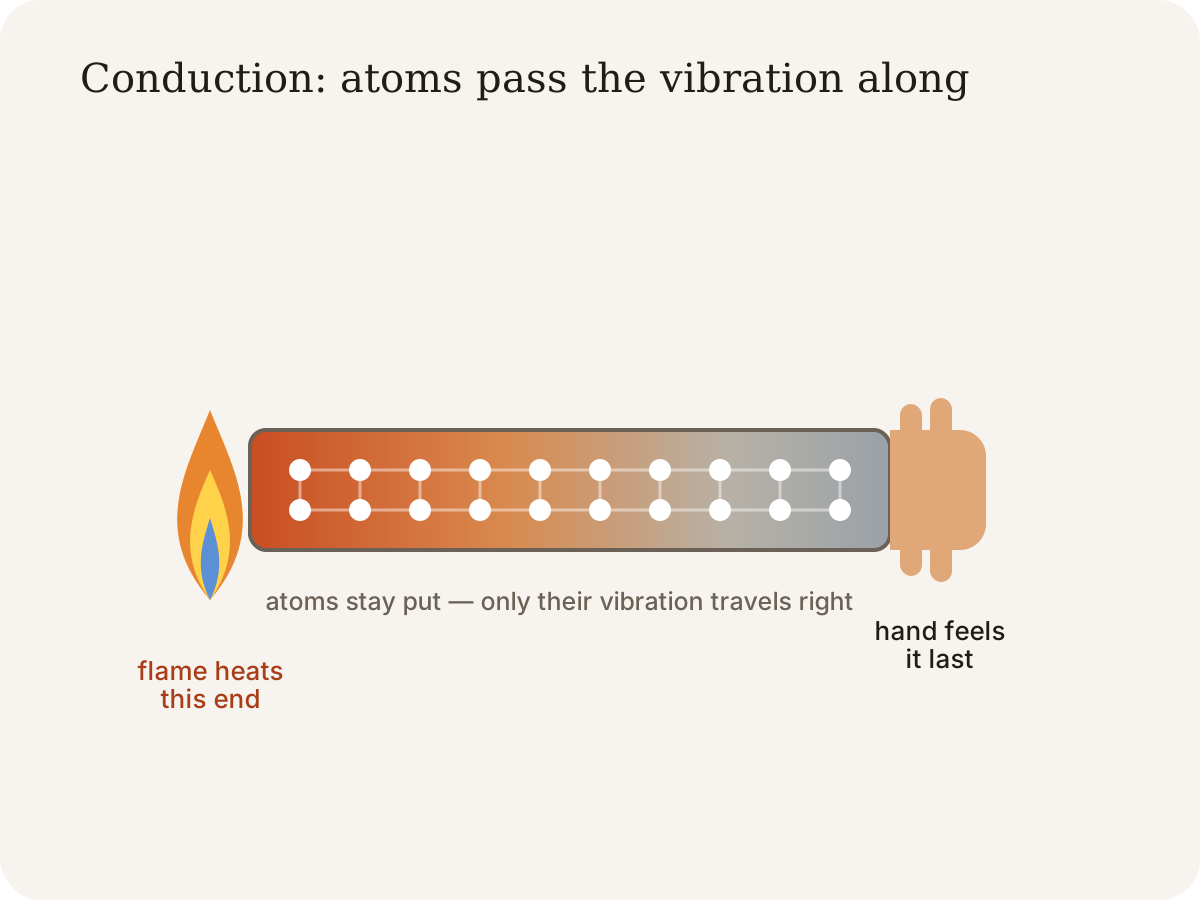
Beginners often assume a metal spoon must literally be colder than a wooden spoon if it feels colder. In reality, both can be at the same room temperature. The difference is how quickly heat is transferred between the object and the skin.
Thermal touch
Use the conductivity demo in Try to reinforce that sensation tracks energy flow.
Questions
Because one part should transfer heat efficiently while the other should remain safer to touch.
Because mechanical behavior depends on structure and bonding, not on appearance alone.
Surface behavior can alter sticking, corrosion, cleaning, and thermal interaction without changing the entire object.
Quick check