01
Learn
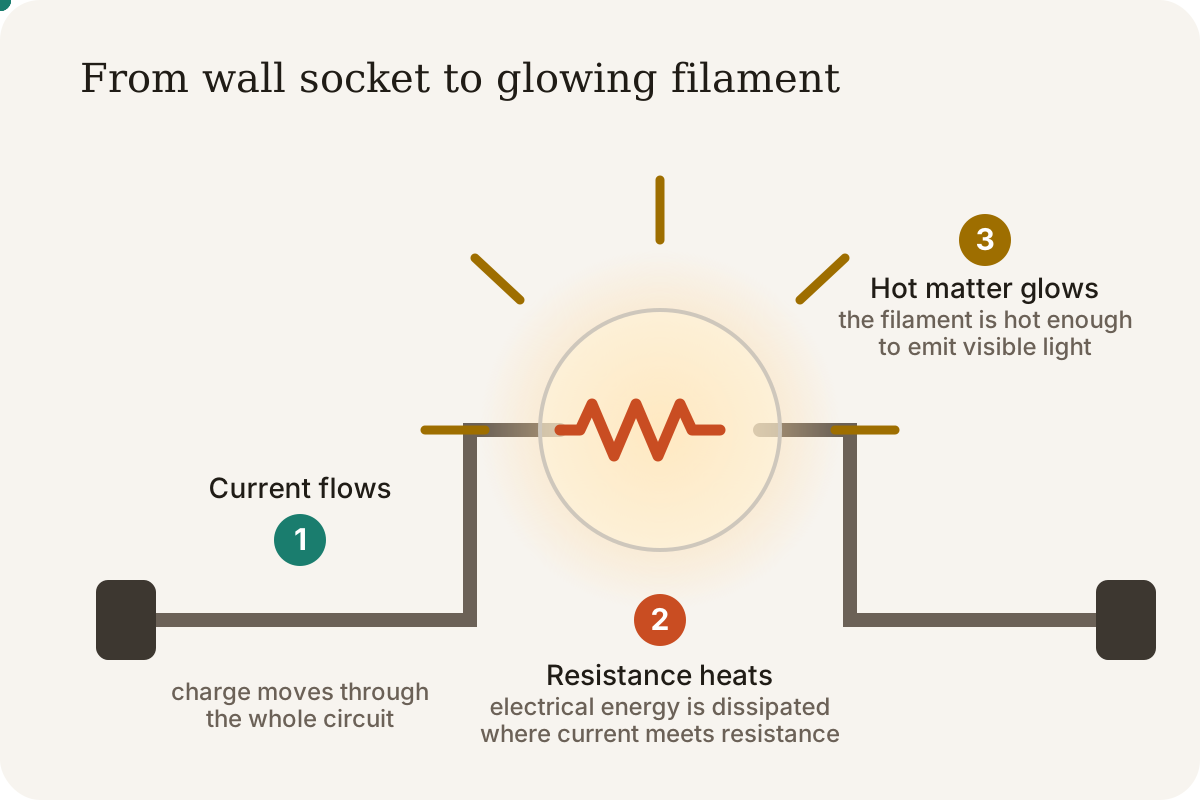
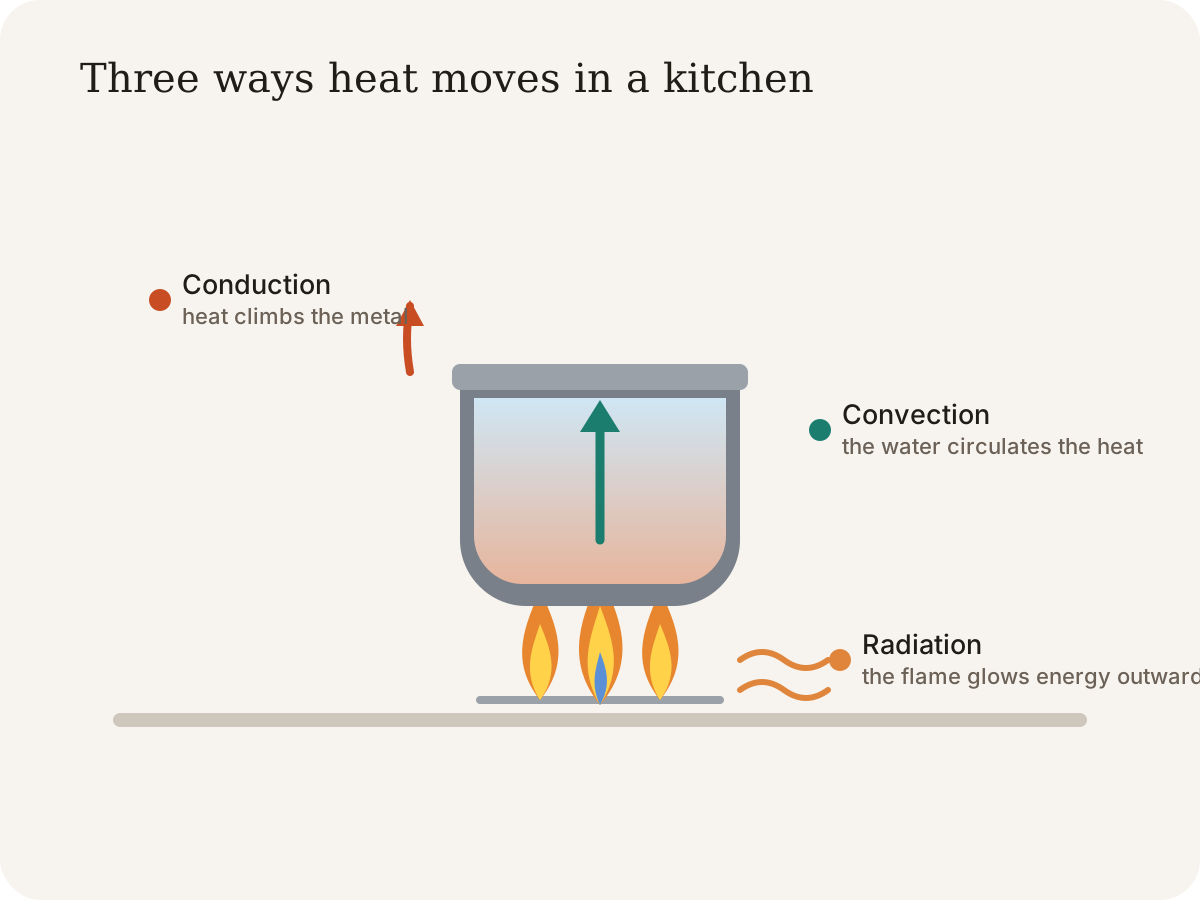
Follow a concept-first route through heat, materials, electricity, light, sound, and flow — or start with the scroll-driven breakfast story.
Go to Learn Read the breakfast storyA kitchen-first way into physics
Learn the core ideas, explore familiar objects, try interactive demos, or use the site as a teaching tool. Each section has one clear job.
Start here
Pick one clear starting point instead of sorting through the whole site at once.
01
Follow a concept-first route through heat, materials, electricity, light, sound, and flow — or start with the scroll-driven breakfast story.
Go to Learn Read the breakfast story02
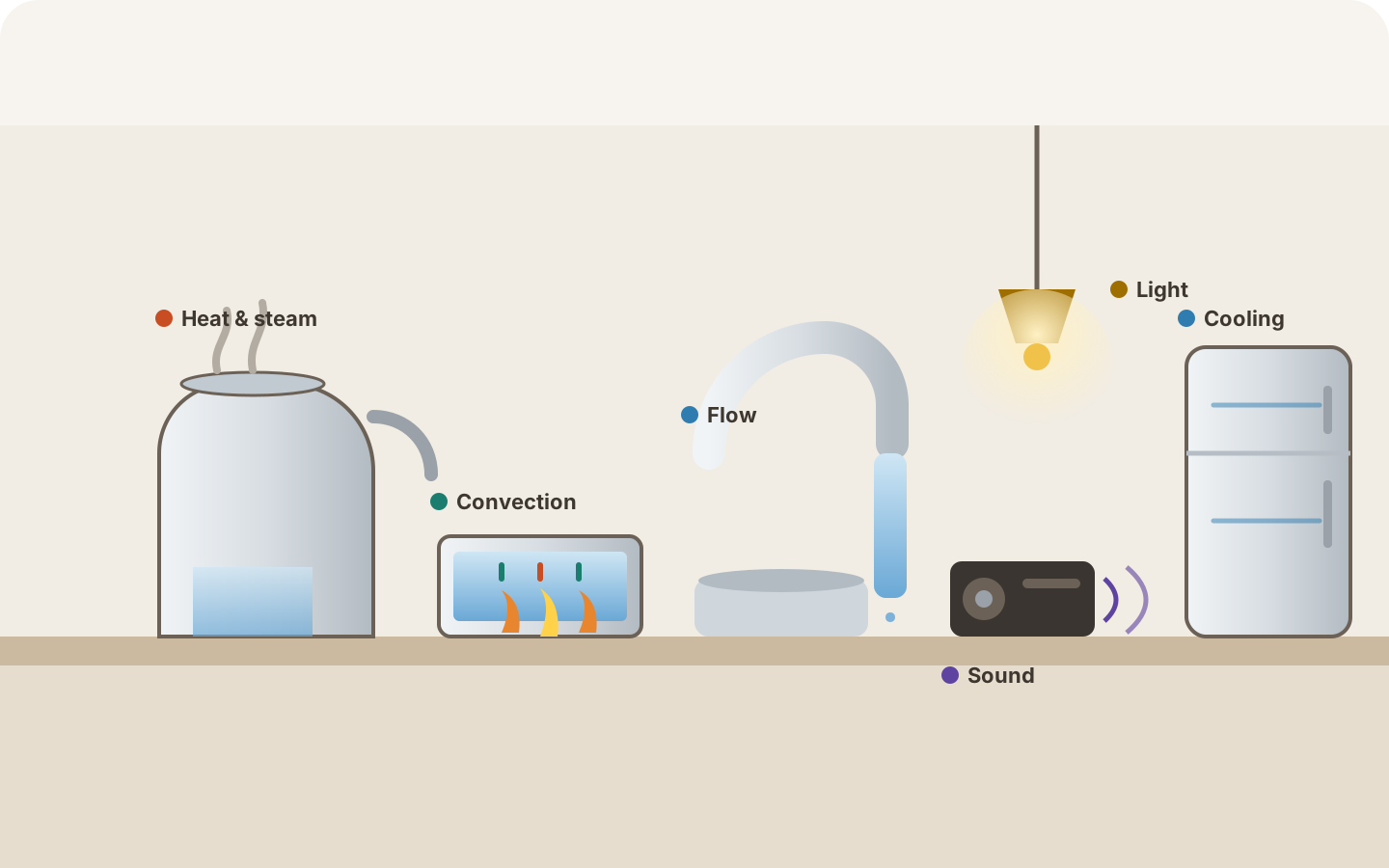
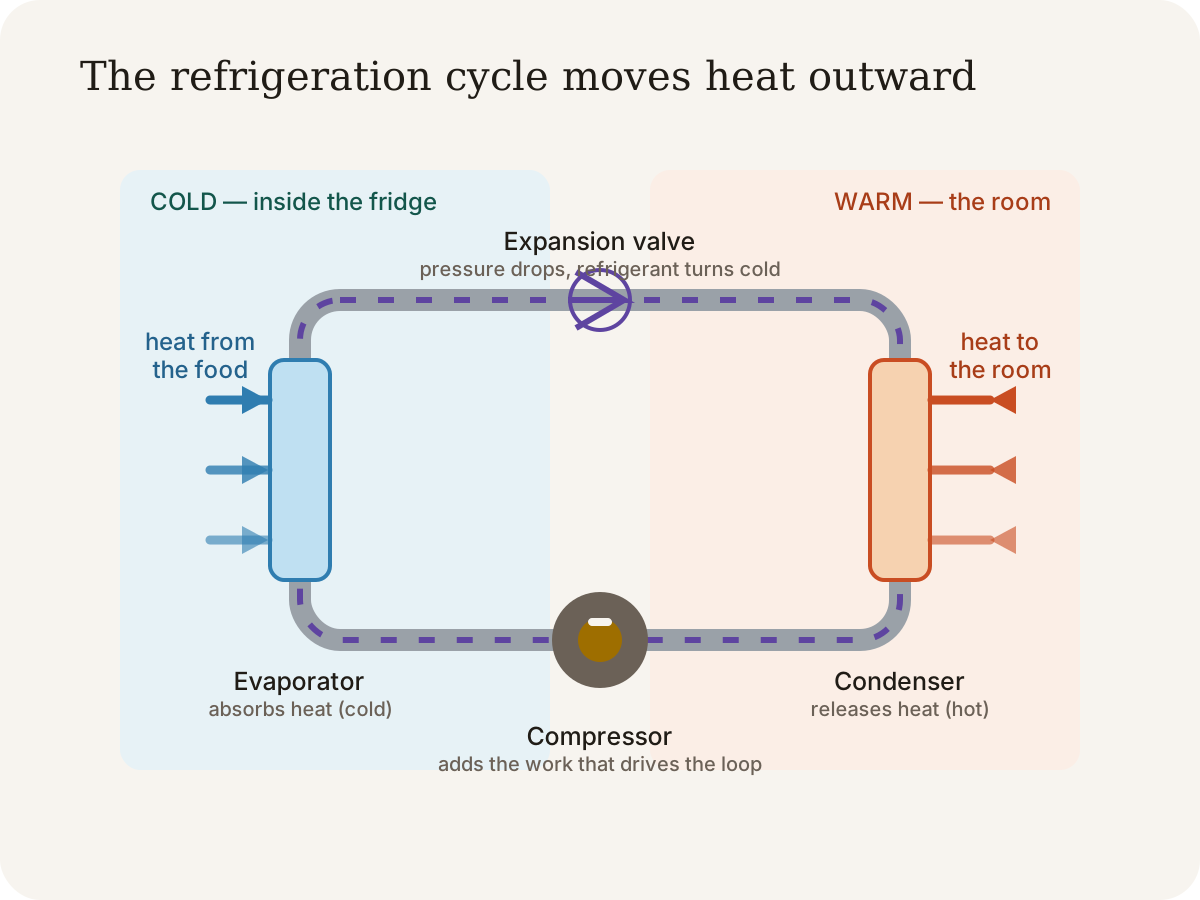
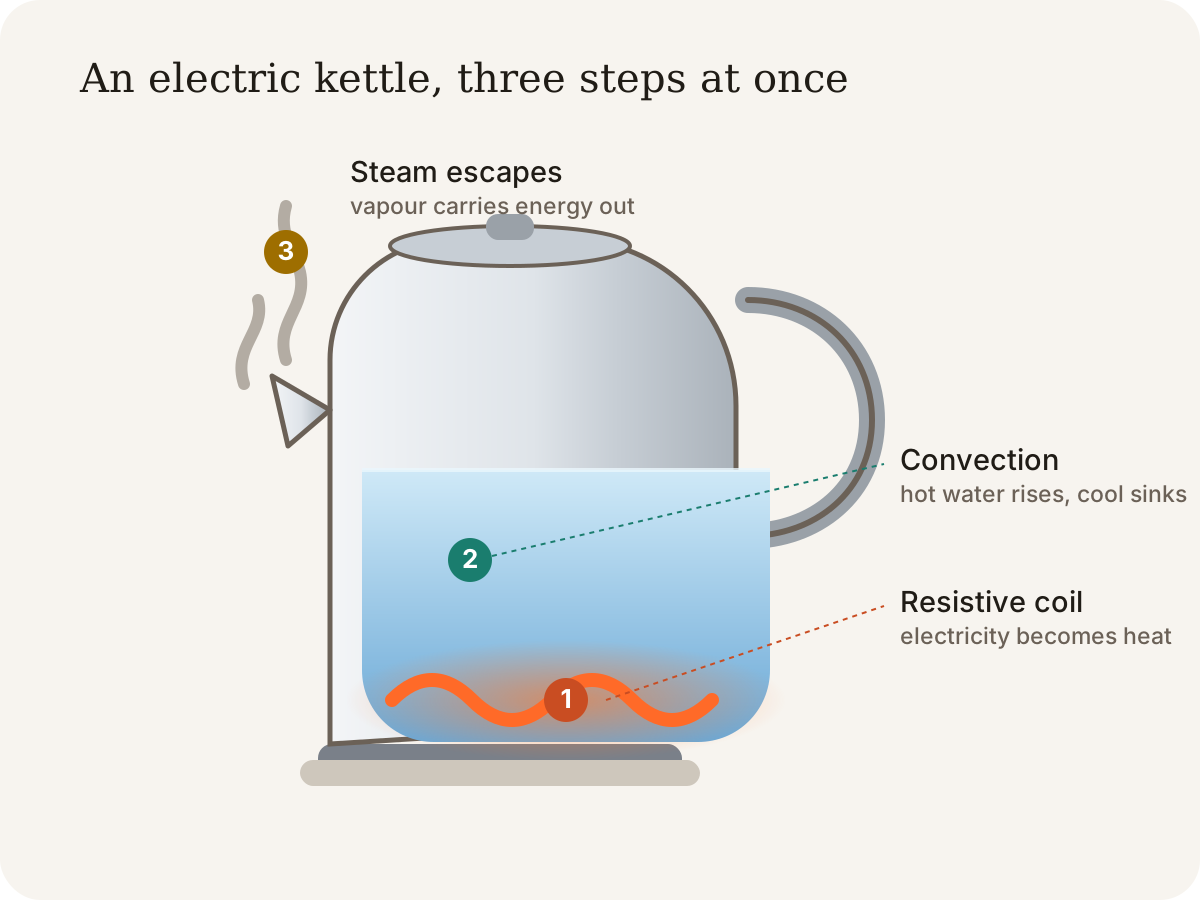
Start from a kettle, thermos, faucet, toaster, refrigerator, or bulb and uncover the physics behind it.
Go to Explore03
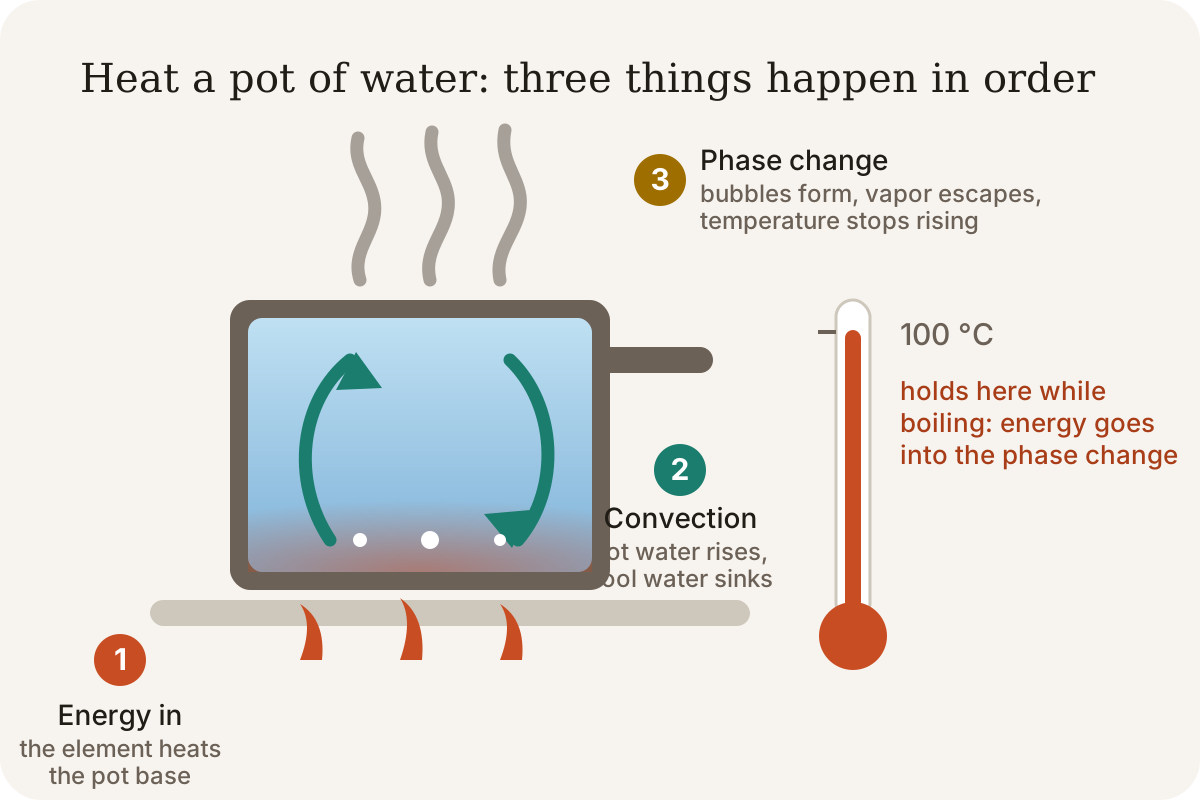
Use simulations, do low-tech experiments, and check your understanding with a short quiz — or open the Kitchen Lab, a live thermal sandbox with real solved physics.
Go to Try Open the Kitchen Lab04
Access lesson sequencing, worksheets, and print-friendly classroom materials.
Go to TeachQuick starts
If you do not know where to begin, start with a lesson, a familiar object, or an interactive activity.
New · Immersive
An animated kitchen where the physics is happening live — steam, convection, radiation, flow, sound, and light. Click any glowing marker to fly in and learn why.
Guided
The cleanest first lesson if you want a structured introduction.
Object-first
Good if you want to move from a familiar kitchen object into the underlying mechanisms.
Interactive
Best if you learn by manipulating variables before reading deeper theory.